
There's nothing quite like stepping onto a lush, green patio on a summer evening — except when that "lush, green patio" is actually a graveyard of plants you forgot to water three times last week. If the heat has already claimed a few victims from your container garden this year, you're not alone.
The good news: some plants genuinely thrive on neglect, blazing sun, and irregular watering. Here are 10 that will keep your patio looking good all summer long, even if you're not the type to check on them daily.
1. Succulents (Echeveria, Sedum, and Friends)
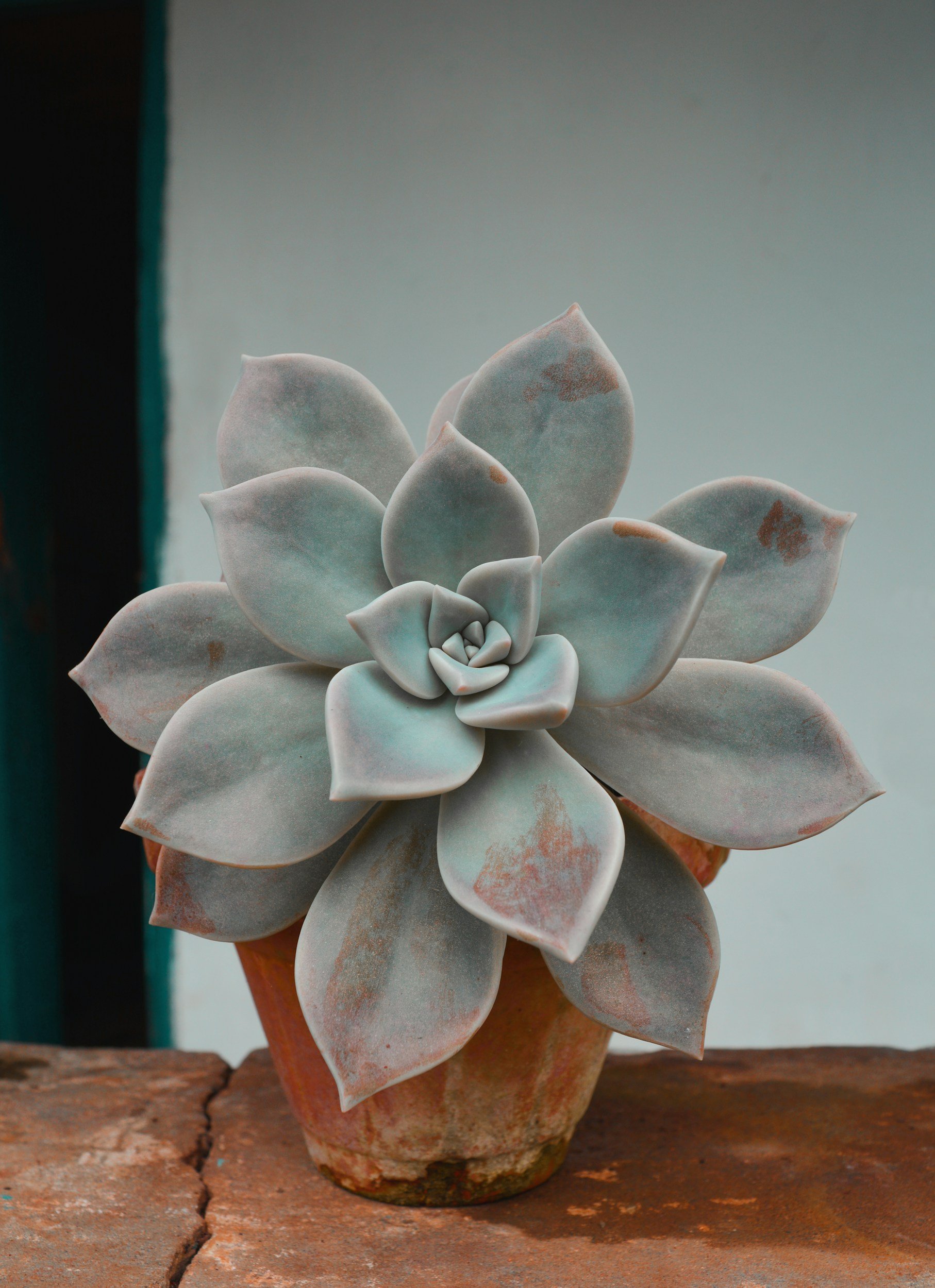
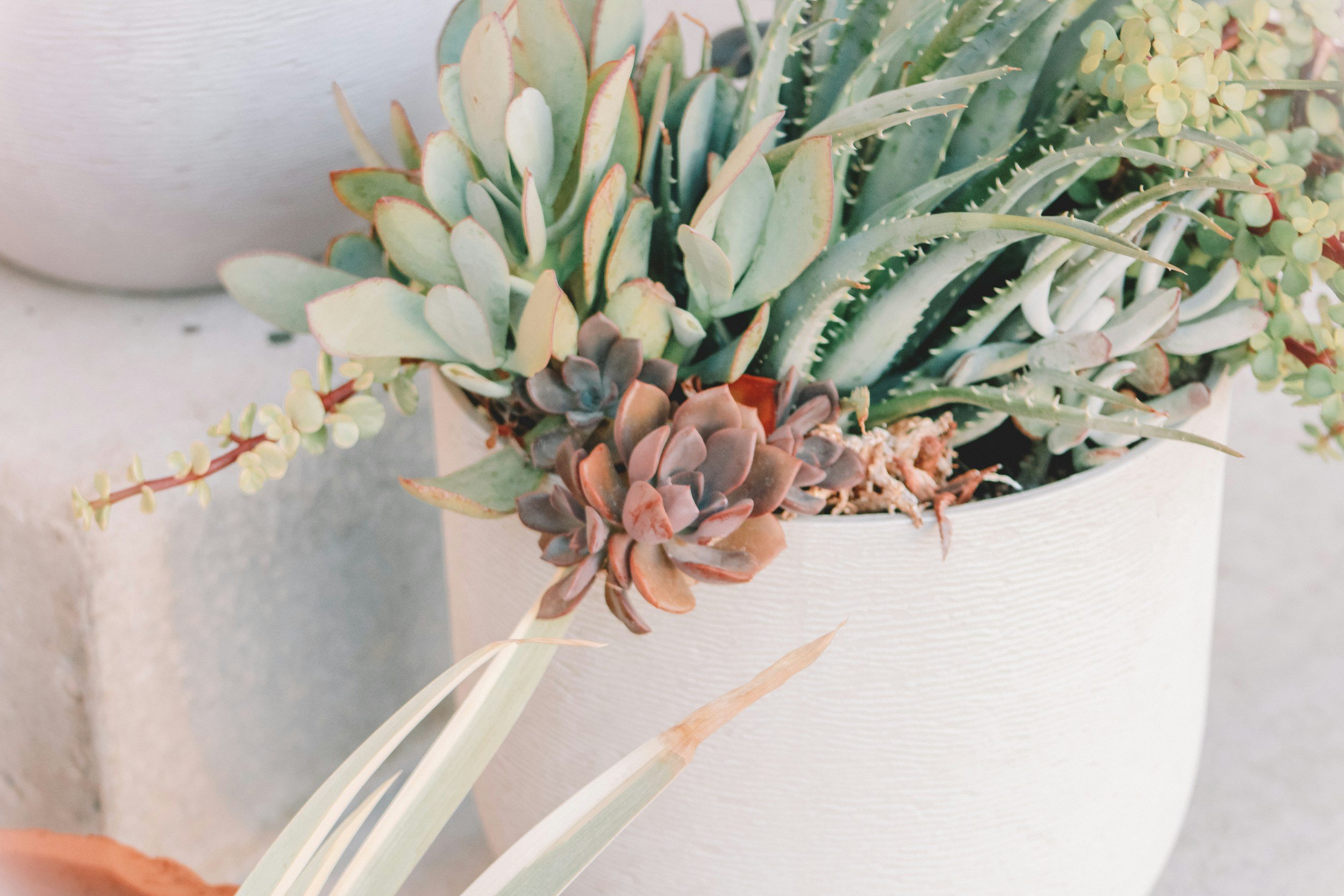
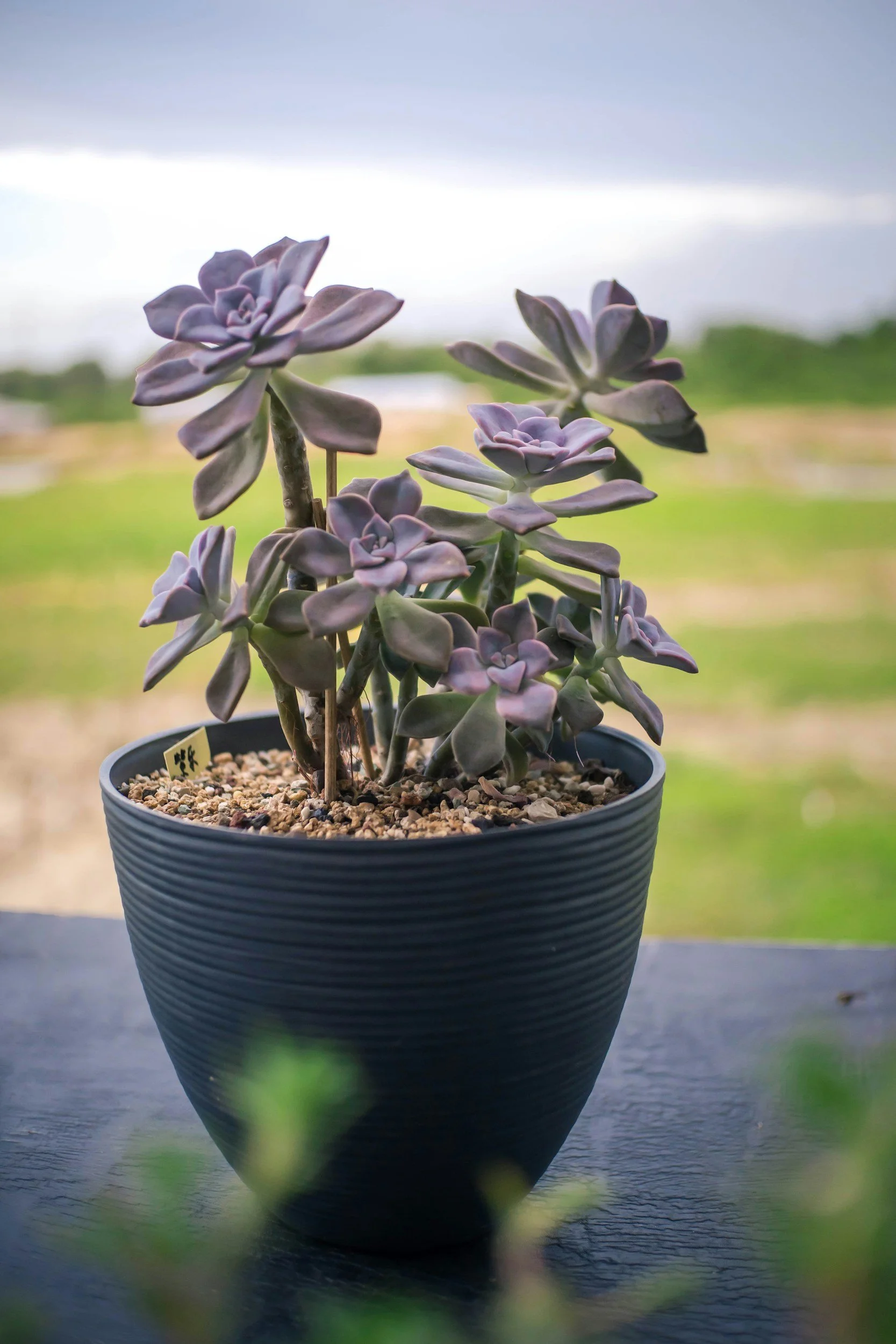
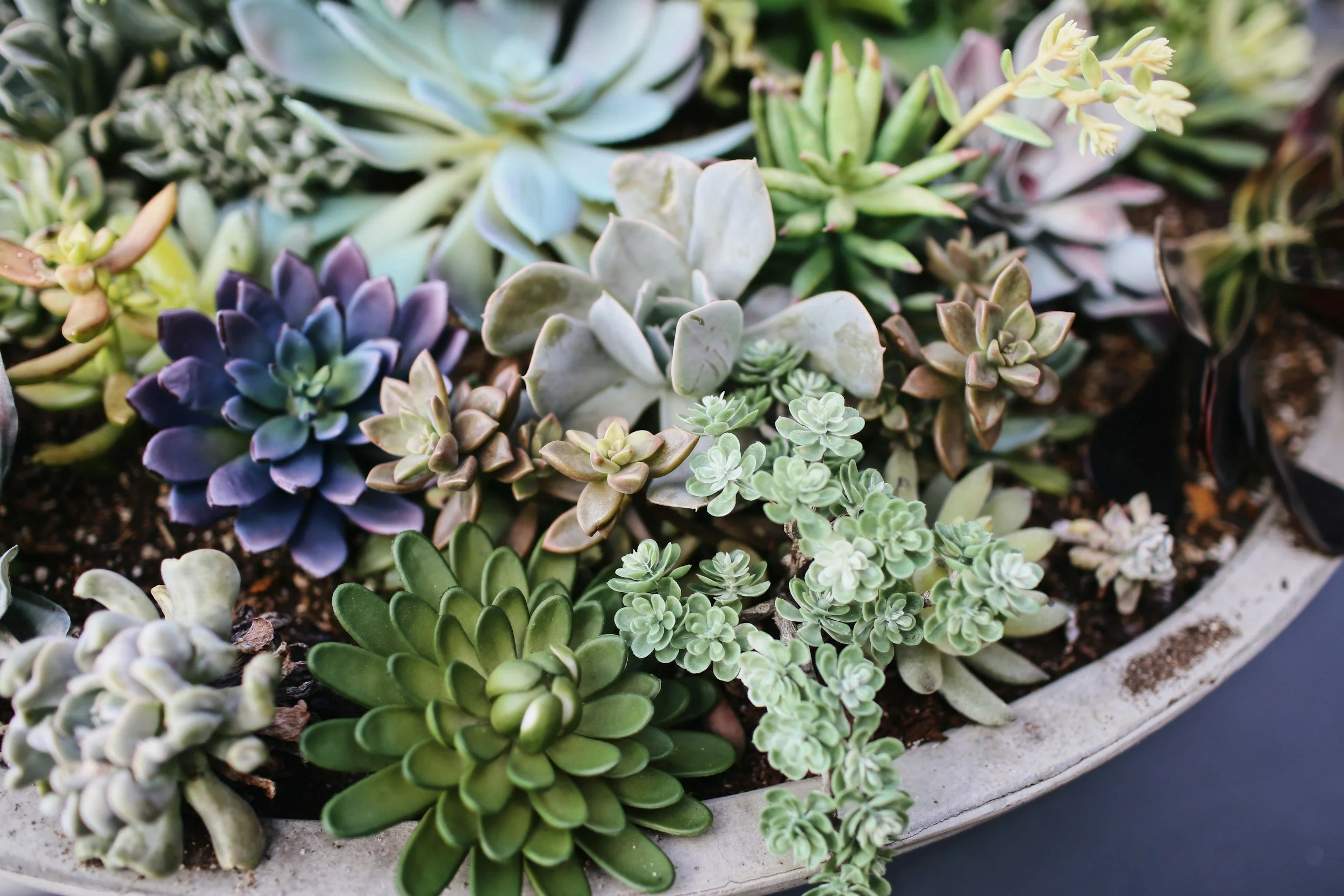
Succulents store water in their leaves, which means they can go a week or more without a drink and barely notice. They love full sun, don't mind reflected heat off a patio or driveway, and come in enough shapes and colors to fill a whole container garden on their own.
Upkeep:
Watering: Every 7–10 days in peak summer. Water deeply, then let the soil dry out completely before watering again.
Sunlight: Full sun to light afternoon shade in extreme heat (above 100°F, some varieties can scorch).
Feeding: Not needed, or at most a diluted succulent fertilizer once a month during the growing season.
Other: Use a fast-draining cactus/succulent soil mix. Overwatering, not underwatering, is what kills most succulents.
2. Lantana
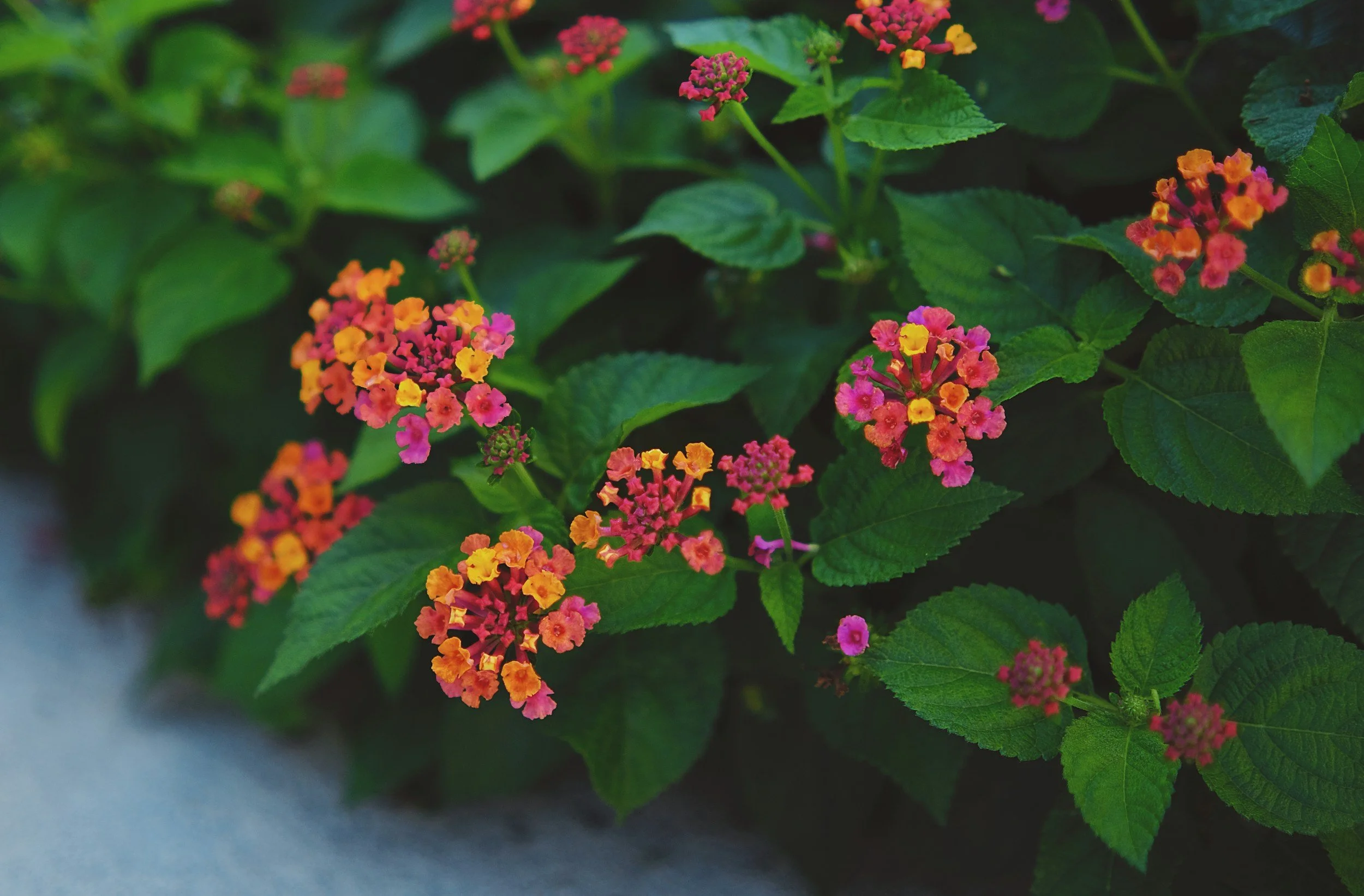
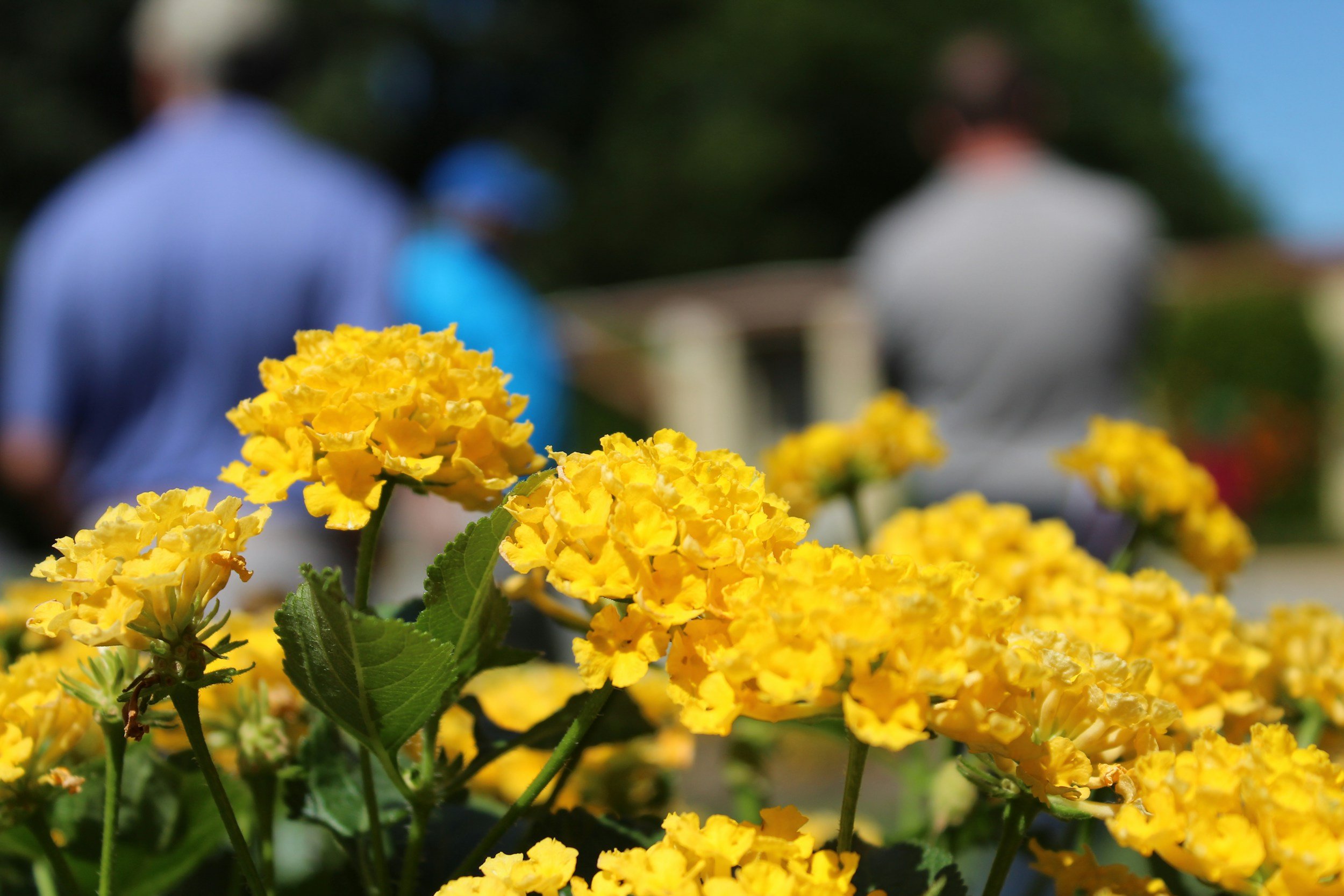
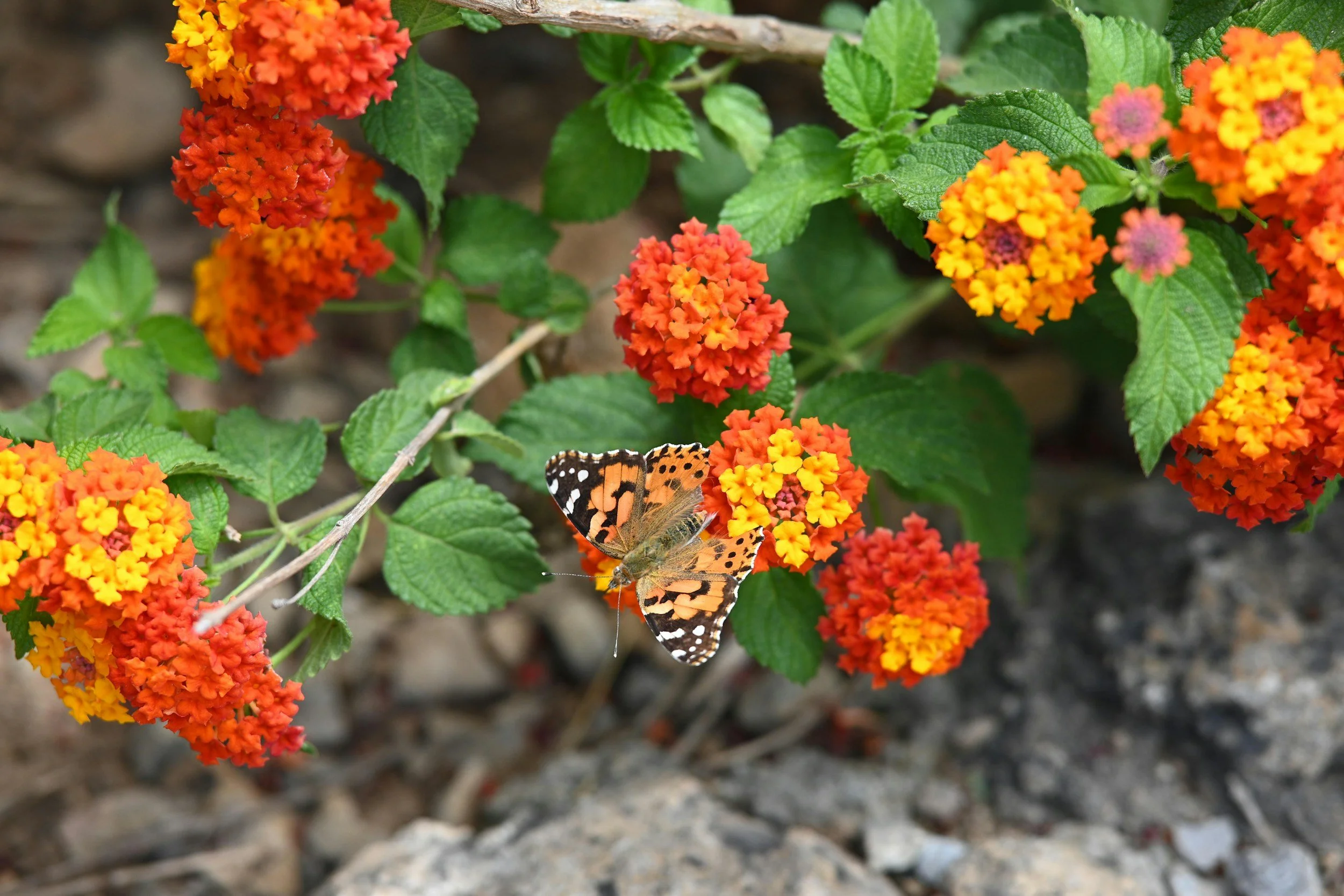
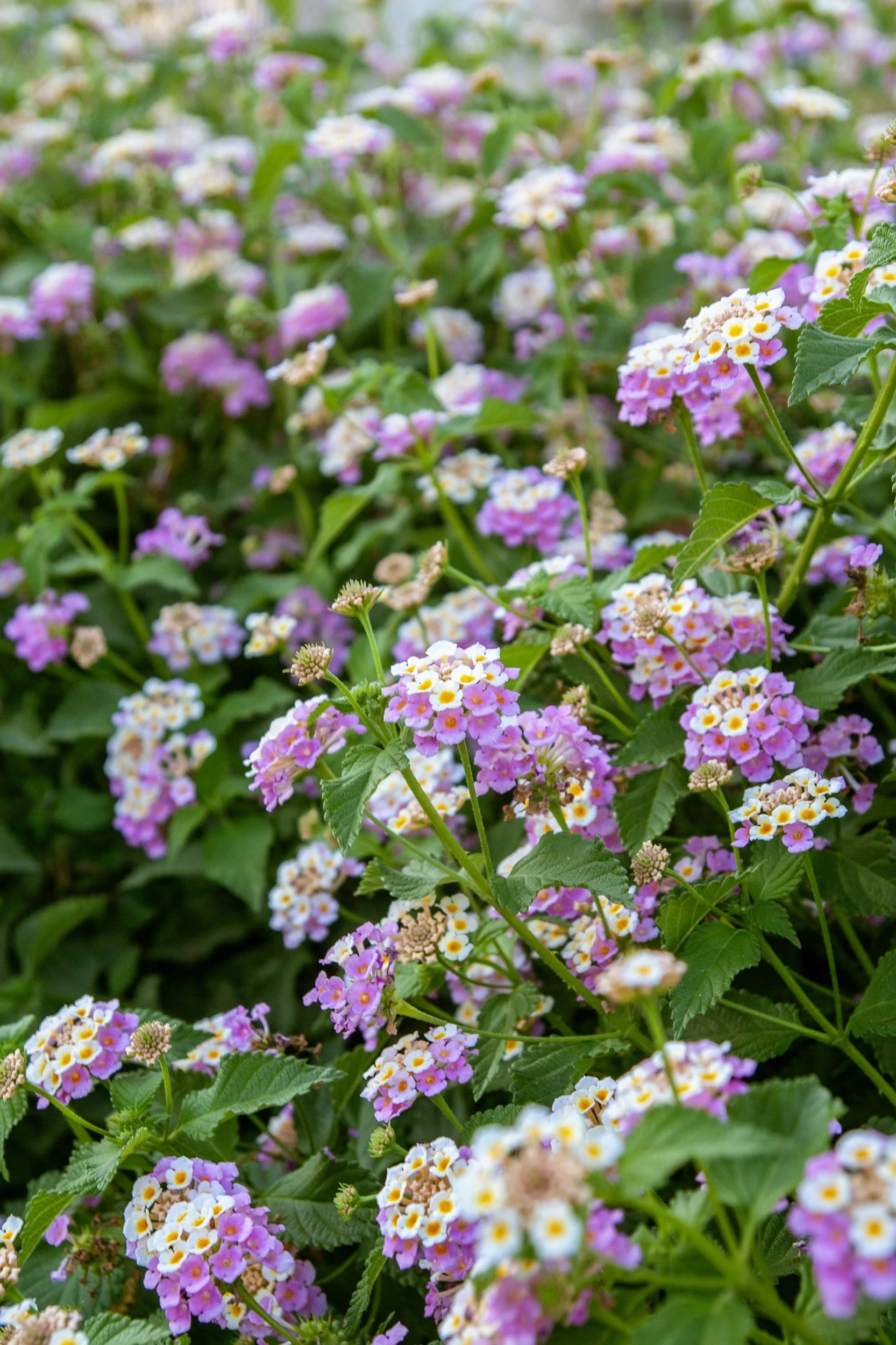
Lantana practically thrives on being ignored. It blooms nonstop in clusters of orange, pink, yellow, or purple, tolerates drought once established, and attracts butterflies as a bonus. It also handles poor soil without complaint.
Upkeep:
Watering: Once a week once established; water in the roots when first planted more frequently for the first couple of weeks.
Sunlight: Full sun — 6+ hours a day for best blooming.
Feeding: Light monthly feeding encourages more blooms, but it isn't required.
Other: Deadhead spent blooms occasionally to keep new flowers coming, but even if you skip this, it'll still perform. Note that lantana is toxic to pets if ingested, so keep that in mind if you have curious cats or dogs.
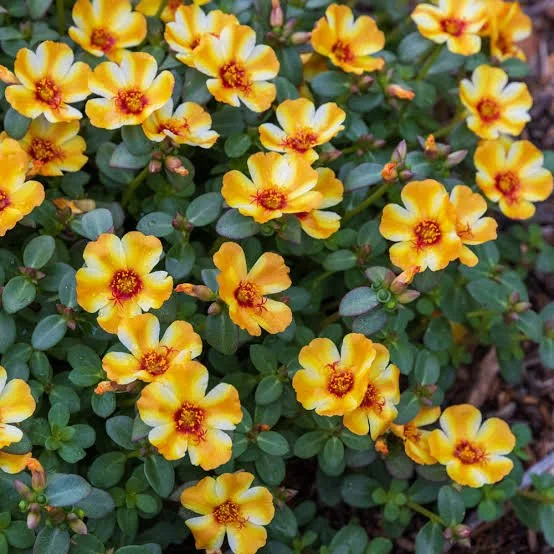
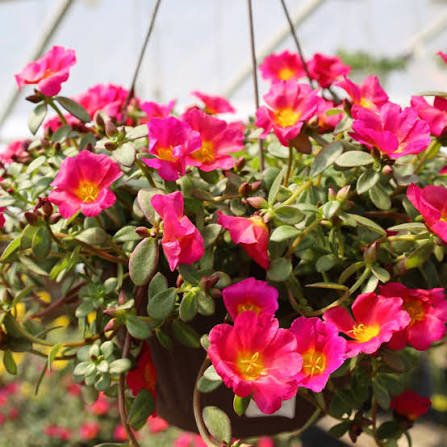
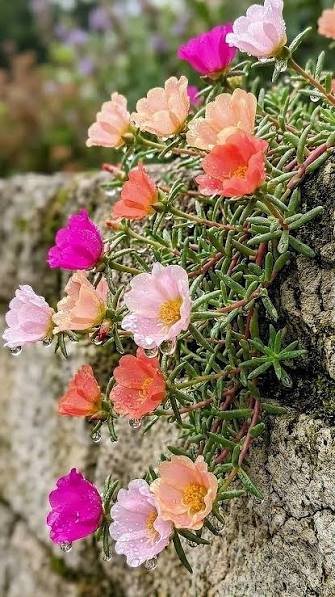
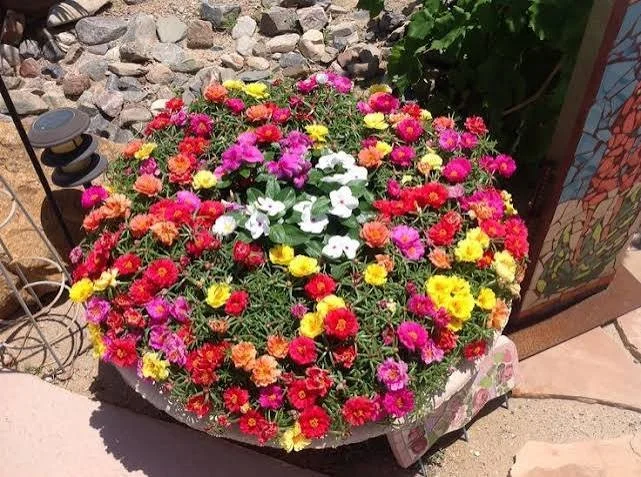
3. Portulaca (Moss Rose)
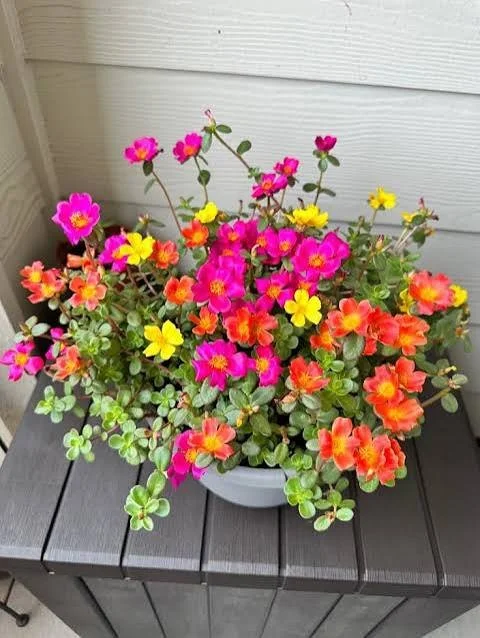
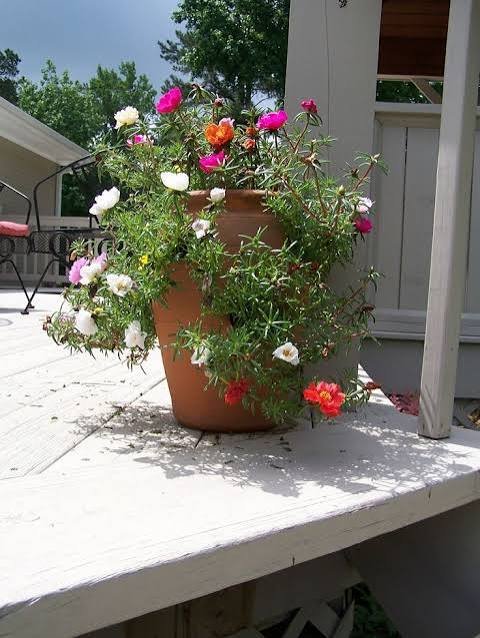
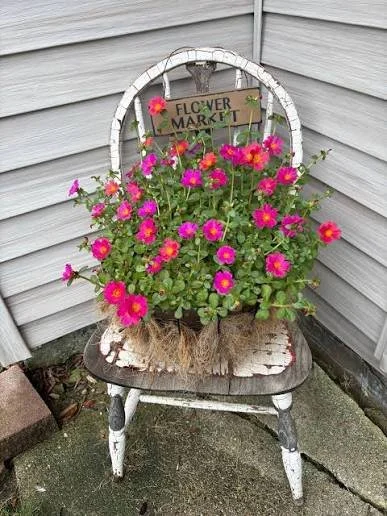
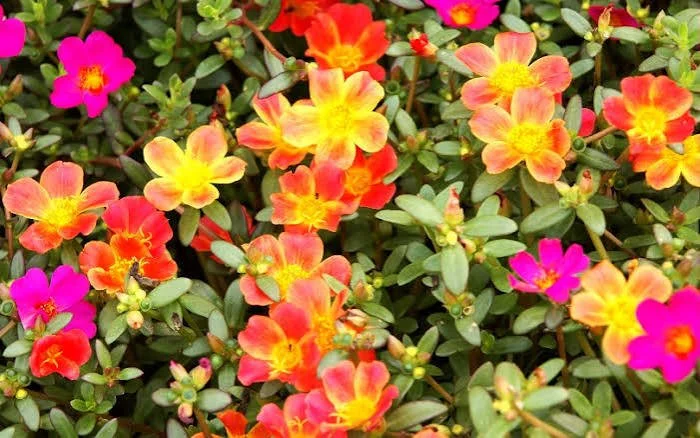
This low, spreading plant is built for heat. Its succulent-like leaves hold moisture, and its cheerful, rose-like flowers open in full sun and close at night — a nice visual signal that it's doing exactly what it should.
Upkeep:
Watering: Every 7–10 days; it actually blooms best when kept a little on the dry side.
Sunlight: Full sun only — flowers won't open properly in shade.
Feeding: Rarely necessary; too much fertilizer leads to more leaves and fewer flowers.
Other: Perfect for hanging baskets or the edges of containers where soil dries out fastest. Self-seeds readily, so don't be surprised if it comes back on its own next year.
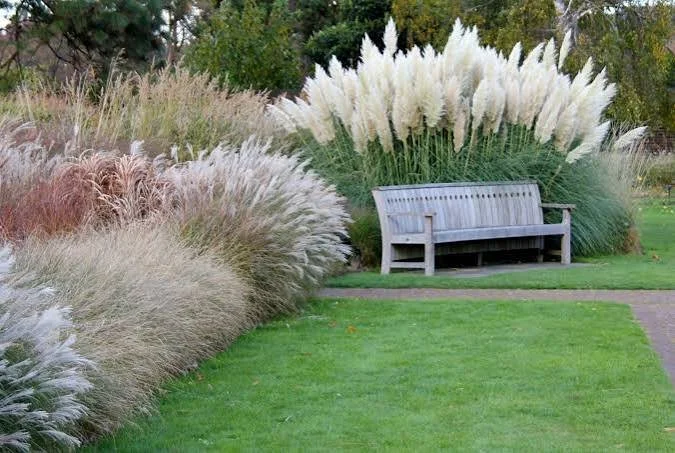
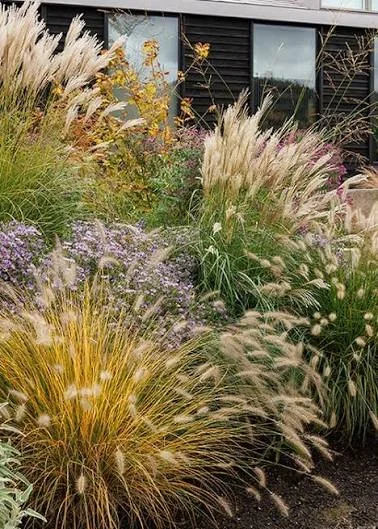
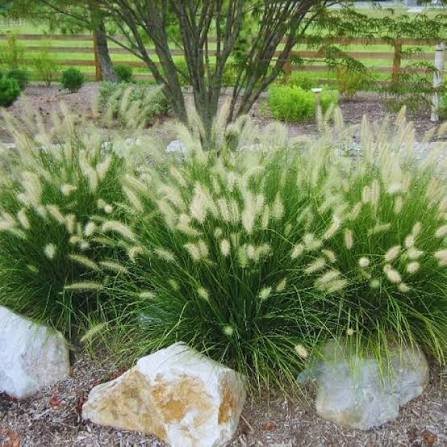
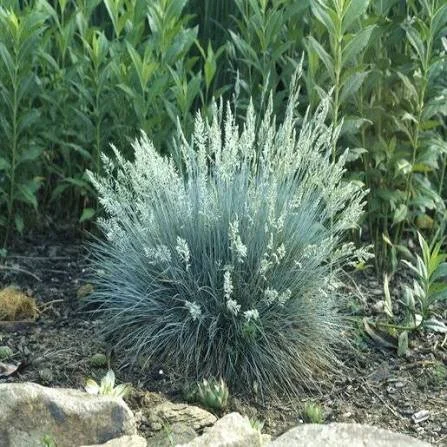
4. Ornamental Grasses (Fountain Grass, Blue Fescue)
Grasses add movement and texture without asking for much in return. Most varieties are drought-tolerant once established and look intentional even when a little unkempt — which takes the pressure off.
Upkeep:
Watering: Every 7–10 days; established plants can stretch even longer between waterings.
Sunlight: Full sun for most varieties, though blue fescue tolerates partial shade.
Feeding: Not needed in most cases; ornamental grasses generally prefer leaner soil.
Other: Cut back dead growth once a year (typically late winter or early spring) to keep the plant looking fresh. Choose a container with good drainage; grasses dislike sitting in wet soil more than they dislike dry spells.
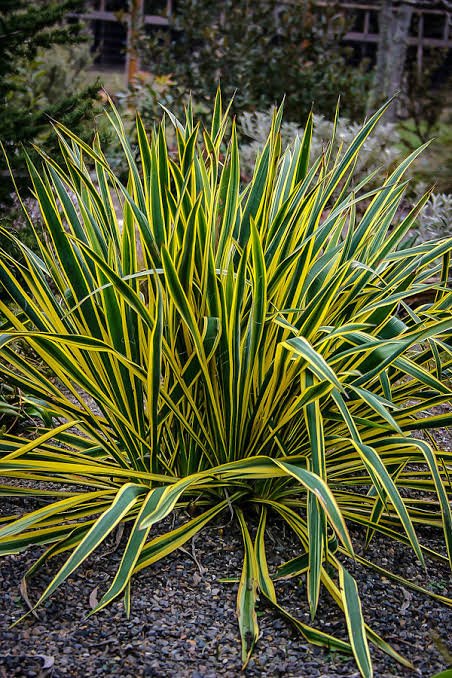
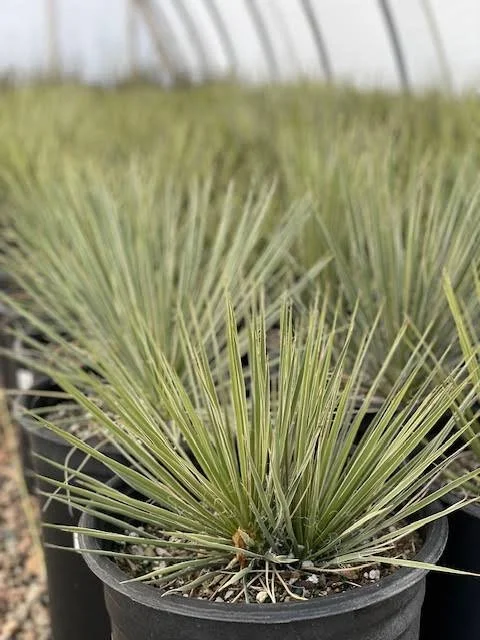
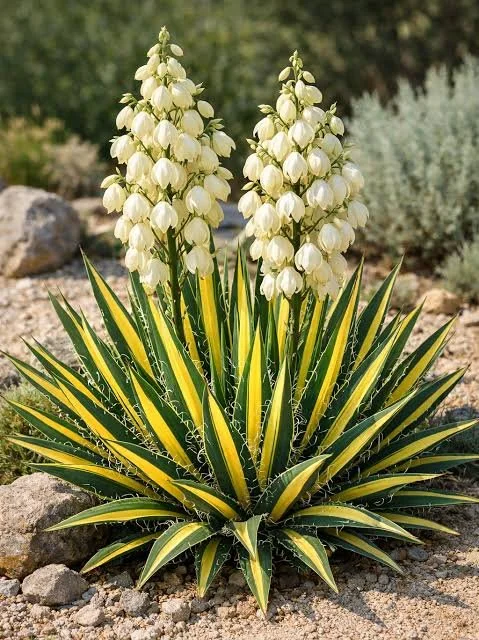
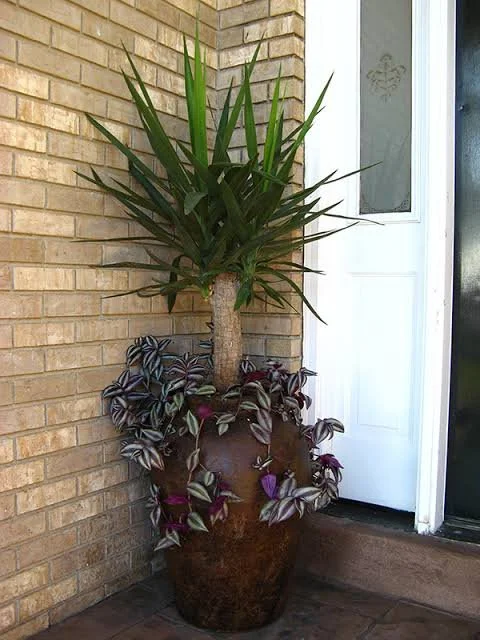
5. Yucca
If your patio gets brutal, all-day sun, yucca will not just survive it — it'll look architectural doing so. Its spiky, structural form adds visual interest without needing pruning, feeding, or much water at all.
Upkeep:
Watering: Every 2–3 weeks; yucca is highly drought-tolerant and would rather be underwatered than overwatered.
Sunlight: Full sun, including reflected heat from walls or pavement.
Feeding: Not necessary.
Other: Give it a large, sturdy pot since yucca can grow tall and top-heavy over time. Trim any brown or damaged leaves at the base as needed, but otherwise leave it alone.
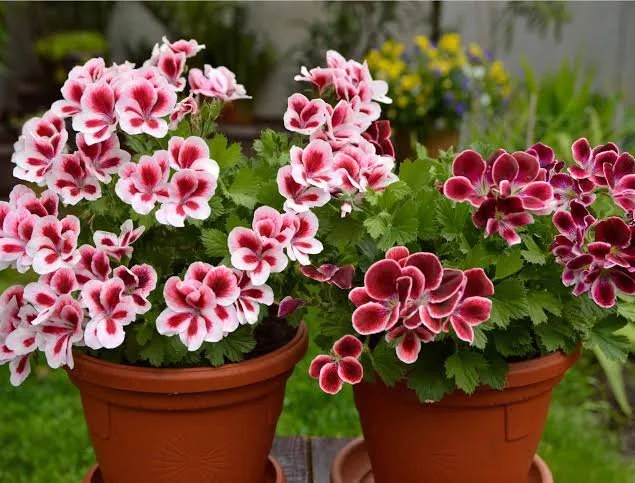
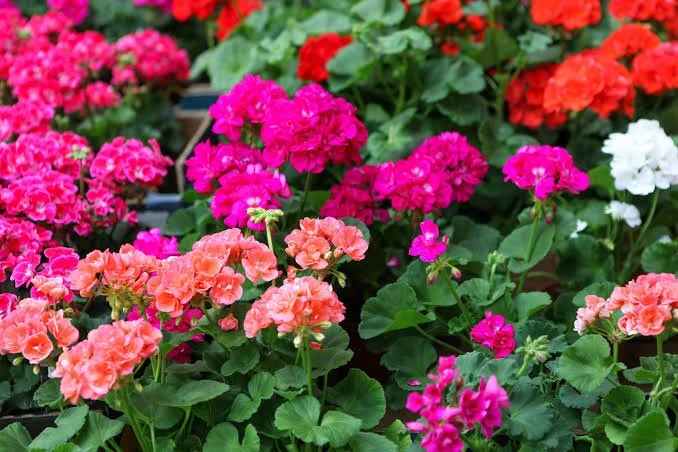
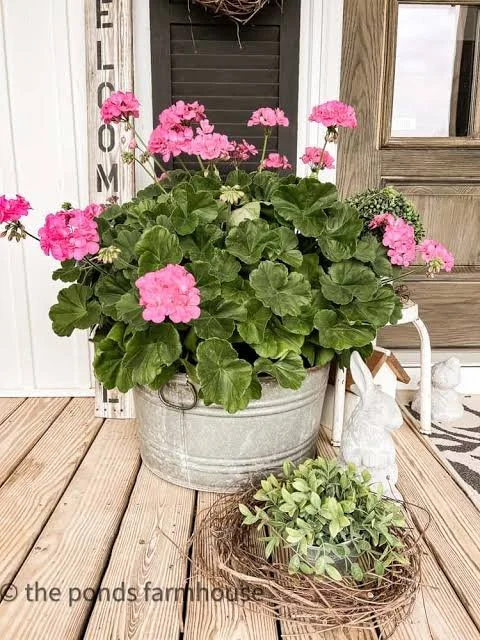
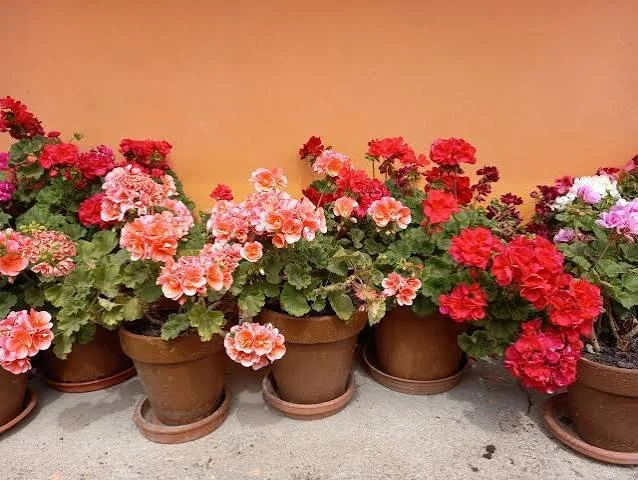
6. Geraniums (Pelargonium)
A patio classic for a reason. Geraniums bloom reliably through summer heat and only need occasional watering. They also tend to bounce back quickly even after you've forgotten them for a stretch.
Upkeep:
Watering: Every 5–7 days; let the top inch of soil dry out between waterings.
Sunlight: Full sun to partial shade — in very hot climates, some afternoon shade helps prevent scorching.
Feeding: A balanced fertilizer every few weeks keeps blooms coming, though it's optional.
Other: Snip off faded blooms when you think of it to encourage more flowers, but don't stress if you don't get to it. Bring indoors or take cuttings before frost if you want to keep them year to year.
7. Sempervivum (Hens and Chicks)
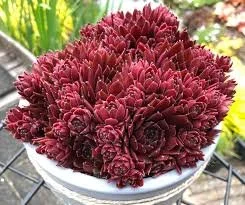
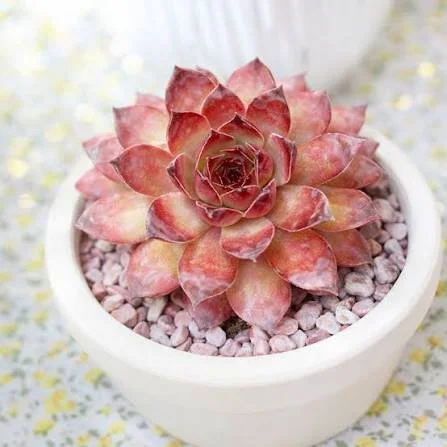
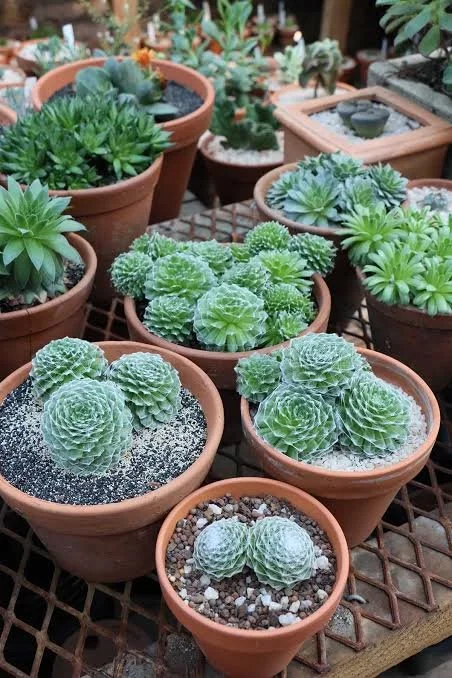
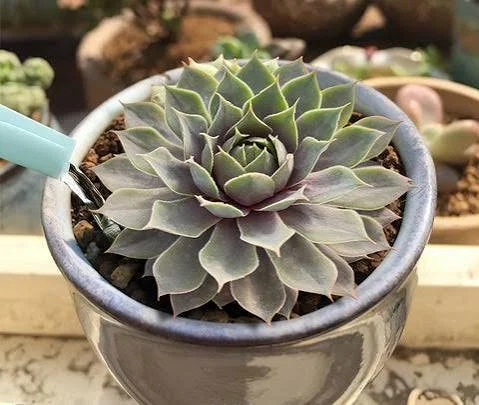
These rosette-forming succulents are almost comically hardy. They spread on their own, tolerate poor soil, and can handle both intense heat and the occasional cold snap. A container of hens and chicks will look basically the same whether you water it weekly or forget it exists for a month.
Upkeep:
Watering: Every 10–14 days, or whenever you remember; they're extremely forgiving.
Sunlight: Full sun for the best color, though they'll tolerate light shade.
Feeding: Not needed.
Other: Use a shallow, well-draining container — they don't need much root depth. Remove spent "chicks" (offsets) if the container gets overcrowded and replant elsewhere.
8. Russian Sage.
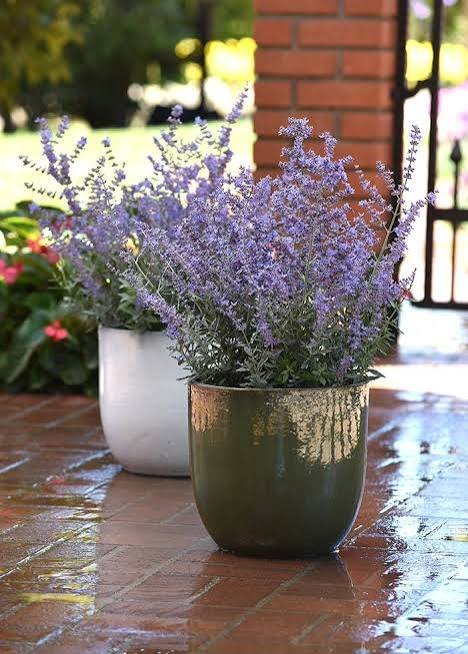
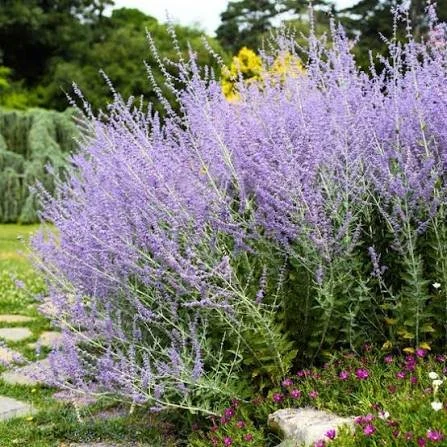
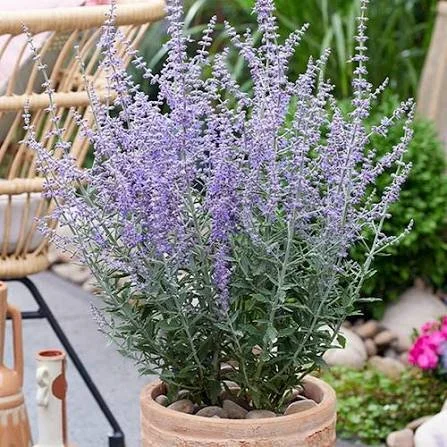
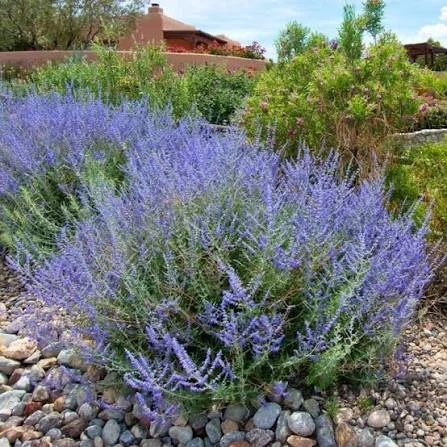
With silvery foliage and airy purple blooms, Russian sage brings texture and color while asking for almost nothing. It's genuinely drought-tolerant and actually performs better in lean, dry soil than in rich, well-watered conditions.
Upkeep:
Watering: Every 7–10 days once established; even less once it's fully settled in.
Sunlight: Full sun for the strongest blooms and sturdiest growth.
Feeding: Skip it — rich soil or fertilizer tends to make this plant leggy and floppy.
Other: Cut back by about a third in early spring to keep growth compact. Otherwise, it's largely hands-off.
9. Purslane
Not to be confused with portulaca (though they're related), purslane is a fast-spreading, succulent-leaved groundcover that handles heat, drought, and neglect with ease. It's also edible, if you're curious.
Upkeep:
Watering: Every 7–10 days; it can handle longer dry stretches without wilting.
Sunlight: Full sun — it thrives in the hottest, sunniest spot you've got.
Feeding: Not necessary.
Other: Great for filling gaps in mixed containers since it spreads quickly and fills in bare soil. Trim back if it starts spreading further than you'd like.
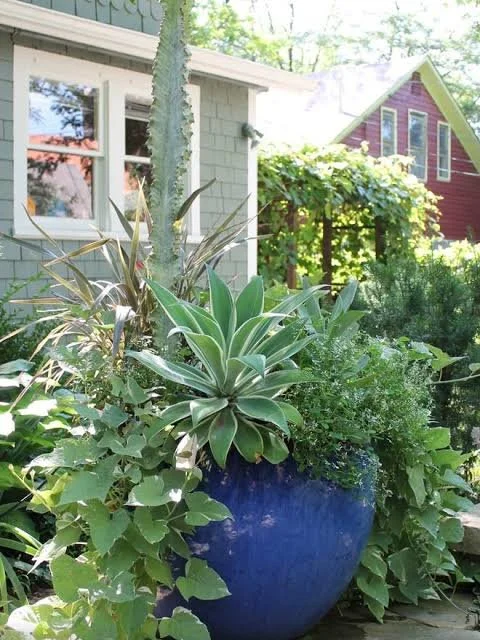
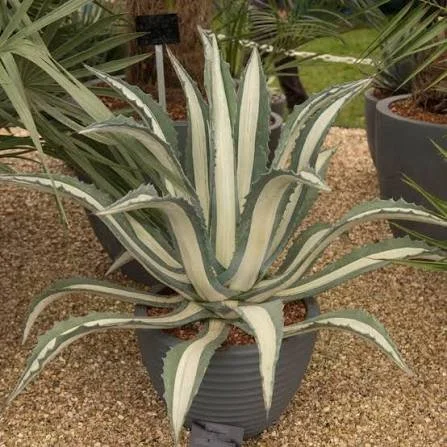
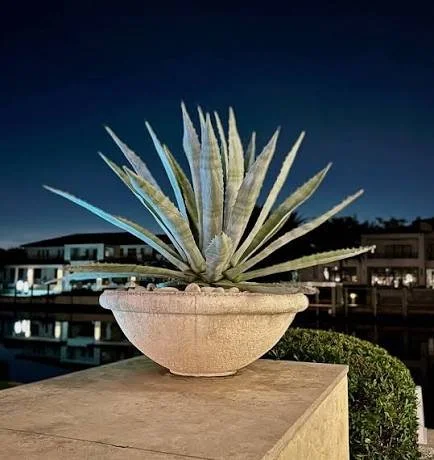
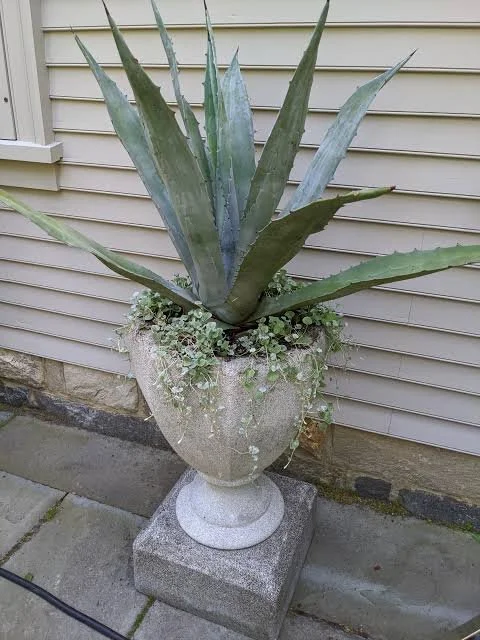
10. Agave
For patios that get blasting, reflected heat all day, agave is close to indestructible. It needs minimal water, no feeding to speak of, and rewards you with a bold, sculptural look that instantly upgrades a plain patio corner.
Upkeep:
Watering: Every 2–3 weeks, less in the height of summer once established; err on the side of underwatering.
Sunlight: Full sun — the more, the better.
Feeding: Not needed.
Other: Keep it away from high-traffic areas since some varieties have sharp leaf tips. Repot only every few years, as agave prefers to be slightly root-bound.
A Few General Tips for Hot-Weather Container Gardening
Choose the right pot. Terra cotta breathes but dries out faster; glazed ceramic or plastic holds moisture longer, which can work in your favor during heat waves.
Mulch your containers. A thin layer of mulch or gravel on top of the soil slows evaporation and keeps roots cooler.
Water at the right time. Early morning is best — it gives plants moisture before the heat of the day and reduces water lost to evaporation.
Group plants with similar needs. Mixing thirsty plants with drought-tolerant ones in the same pot means one of them is always unhappy.
The Bottom Line
A beautiful patio doesn't have to mean a demanding one. With the right plant choices, you can have color, texture, and life on your patio all summer — without becoming a slave to the watering can. Start with two or three of these, see what thrives in your specific spot, and build from there next season.